Cross Training Png: Christian Men Design Review
First Impressions of a Faith-Based Fitness Design
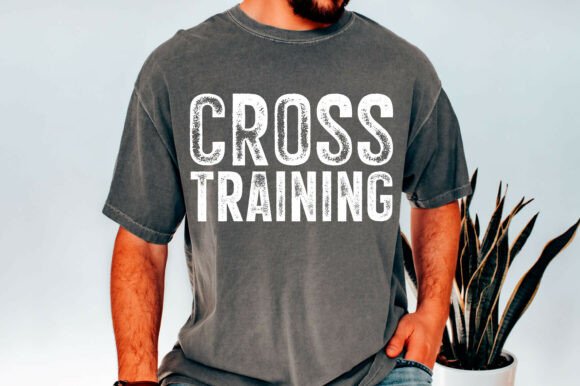
When I first opened the Cross Training Png, Christian Men Png, file set, I immediately appreciated the clean thematic focus. This design blends two powerful concepts—physical discipline and spiritual devotion—into a single visual statement. The layout feels intentional, not cluttered. For an embroidery designer who works with both custom apparel and handmade gifts, this is exactly the kind of graphic that resonates with a broad audience: men who value their faith and their fitness routine. The T-Shirt Designs category is a natural home for this, but as I started thinking through stitch paths and placement, I realized this Graphics type has potential far beyond tees.
The mood of the design is strong, steady, and motivational. It avoids being overly ornate, which matters when you are converting a PNG or SVG into a working embroidery file. There is enough visual weight to hold its own on a chest or sleeve, but not so much detail that it becomes a thread management nightmare. I could already picture it on a gym bag or a well-worn sweatshirt.
Real-Life Embroidery Performance: From Digital File to Finished Product
I decided to test the Cross Training Png, Christian Men Png, design on a custom embroidered tote bag made from mid-weight cotton canvas. My goal was to judge how the file would translate from a digital graphic to a stitched piece. The provided files—SVG, EPS, DXF, and a 300dpi PNG—gave me flexibility. I imported the SVG into my digitizing software and began mapping out stitch types.
Satin Stitch and Fill Stitch Balance
The design's structure lends itself well to a combination of satin stitch for any bold lettering or outline elements and fill stitch for larger interior areas. I noticed that the shapes are distinct enough that you can assign different thread colors without worrying about registration issues. On the tote bag, the satin stitches held crisp edges, and the fill stitches covered smoothly without gaps. This is a design that trusts the digitizer—it gives you room to make smart choices about stitch density and underlay.
Testing on Different Fabrics
I also ran a sample on a cotton sweatshirt and a piece of performance knit fabric. On the sweatshirt, the design sat nicely, with the fill stitches compressing just enough to give it a soft, dimensional look. On the stretchy knit, I used a medium-weight stabilizer and reduced the density slightly to avoid puckering. The applique design potential here is strong—you could easily cut the main shapes from fabric and use the embroidery file for the outline and detail stitching.
Where This Design Belongs: The Best Products for Cross Training Png
After testing, I felt confident that the Cross Training Png, Christian Men Png, design works beautifully on a wide range of products. Here is where it truly shines:
- Custom apparel: T-shirts, sweatshirts, and hoodies for men’s ministry groups or fitness teams.
- Tote bags and backpacks: A faith-based gym bag makes a thoughtful gift or a small shop product.
- Embroidered patches: Stitch it onto twill or felt, cut it out, and sell it as an iron-on patch for jackets or gym duffels.
- Caps and hats: The layout works well on a front panel if you scale it appropriately—just watch the curve.
- Baby embroidery and kids’ apparel: A scaled-down version on a little onesie with the words “Training for the Kingdom” would be a hit for Christian parents.
- Holiday gifts and personalized products: Father’s Day, Christmas, or birthday gifts for the active Christian man in your life.
- Pillow covers and tea towels: A motivational kitchen towel or a toss pillow for a home gym or man cave.
- Boutique merchandise and craft fair products: This design has strong shelf appeal for Etsy sellers and handmade shop owners looking to offer faith-based machine embroidery design products.
Where to Use Caution: Small Hoops, Dark Fabrics, and Curved Surfaces
Not every application is a slam dunk. As a digital embroidery file, the Cross Training Png, Christian Men Png, design demands attention to scale and fabric choice. Here are the areas where I recommend extra care:
- Small hoop sizes: If you are working with a 4x4 hoop, you will need to scale the design down significantly. At that size, any thin lettering or small interior details may become too dense or lose clarity. Always test on scrap fabric first.
- Textured fabrics: Fleece, terry cloth, or heavy knits can swallow fine details. Use a firm stabilizer and consider a slightly coarser stitch density to keep the design readable.
- Thin or stretchy fabric: Lightweight jersey or stretch knits require careful stabilization. A tear-away stabilizer alone may not be enough—try a cut-away for better registration.
- Dark fabrics: If you are stitching on black or navy, make sure your thread colors have high contrast. A white or bright metallic thread can make the design pop, but avoid dark tones that blend into the background.
- Curved surfaces like caps: The design’s layout is somewhat linear. When curved around a cap front, the outer edges may distort. Test on a practice cap before committing to a production run.
- Dense stitch areas: If you use too high a density in the fill areas, the fabric may pucker or the thread may break. Keep your stitch density moderate and use a good quality thread.
- Products that need frequent washing: For items like tea towels or baby bibs, use colorfast thread and a stable backing to prevent shrinkage distortion.
Visual Appeal, Product Value, and Customer Trust
From a buyer’s perspective, the Cross Training Png, Christian Men Png, design communicates purpose. It is not just a random graphic—it carries a message that matters to a specific community. When you stitch it into a handmade product, that message becomes a tangible part of the item’s value. Customers who buy faith-based apparel or gifts tend to look for clarity, durability, and good design. This file delivers on all three.
The handmade presentation of the finished product—whether it is a personalized gift or a small shop product—benefits from the design’s balanced layout. It feels intentional, not slapped on. That builds trust with buyers. They see that you cared about the placement, the thread choice, and the overall finish. For boutique branding and Etsy listings, this design helps your work look professional without being generic.
I also tested the design in a black-and-white mockup to see how it reads in monochrome. It works well, which means you can use it for printable mockups or design assets in your online shop without relying on color to carry the message. That is a smart feature for any creative entrepreneur who sells digital product previews or commercial embroidery projects.
Practical Designer Notes Before You Stitch
Before you load this embroidery file onto your machine, take these steps to ensure a smooth project:
- Test on scrap fabric first. Always run a sample on a piece of fabric similar to your final product. Adjust density, underlay, and thread tension as needed.
- Check thread color contrast. Simulate the design in your software with the actual thread brands you plan to use. Some colors look great on screen but blend into the fabric when stitched.
- Review stitch density. If the design feels too heavy, reduce the density by 5-10%. If it feels too loose, increase it slightly. This is especially important for applique design work where the fabric layer adds bulk.
- Confirm hoop size. Make sure the design fits your hoop with at least half an inch of clearance on all sides. A tight fit can cause registration errors.
- Inspect small details. Look for any fine lines or tiny text that might not stitch cleanly. If necessary, simplify those areas or enlarge the design slightly.
- Test in black and white mockups. Converting the design to grayscale helps you see if the shapes and contrasts hold up without color dependence.
- Compare light and dark fabric backgrounds. What works on white may not work on black. Adjust thread colors or add an underlay for dark fabrics.
- Use proper stabilizer. For most woven fabrics, a medium-weight tear-away stabilizer works well. For knits and stretch fabrics, use a cut-away stabilizer to prevent distortion.
- Check licensing before selling finished items or digital products. The product includes 1 SVG, 1 EPS, 1 DXF, 1 PNG 300dpi files that suit Cricut, Silhouette, and other cutting machines, with possible uses including T-Shirts. However, always confirm whether the license covers commercial use for commercial embroidery and finished product sales. If the license terms are not clearly stated, contact the seller before using the design in your craft business or Etsy shop.
- Plan your thread colors thoughtfully. This design works well with two to four colors. A simple color palette keeps production fast and reduces thread changes.
Final Thoughts on Cross Training Png for Your Embroidery Projects
I have reviewed dozens of faith-based graphics over the years, and the Cross Training Png, Christian Men Png, stands out for its clarity and versatility. It is not overly trendy, which means it will remain relevant season after season. For apparel decorators, hobbyists, and makers, this design offers a reliable foundation for everything from a quick custom tee to a full production run of embroidered patches.
If you are a small business owner or creative entrepreneur looking for a design that connects with a specific audience while being practical to stitch, this one deserves a spot in your library. It respects your time as a maker and your customer’s desire for meaningful, well-crafted products. Whether you are preparing a holiday gift, a wedding gift, or a batch of craft fair products, the Cross Training Png, Christian Men Png, design delivers a solid return on your creative investment.