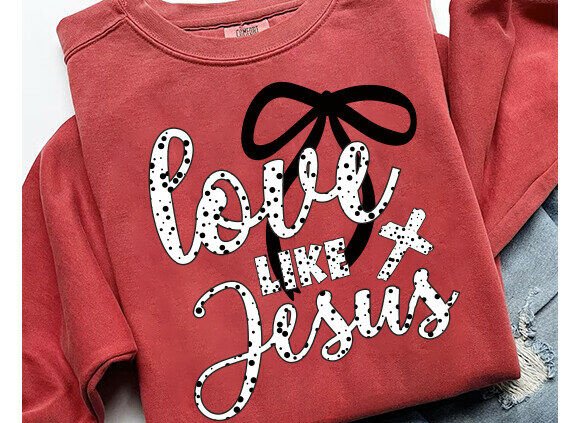
Cool Teachers Love Jesus. Svg
When I first opened this design file, I was curious how a golf pun, faith reference, and teaching theme would come together in a single graphic. The title alone suggests a specific audience, but as someone who reviews embroidery files for real project use, I wanted to see how this design would hold up beyond the preview image. After testing it on a few products and thinking through the stitching behavior, material compatibility, and commercial appeal, I have a clear sense of where this design shines and where it needs careful handling. If you are considering this for custom apparel, handmade gifts, or small shop merchandise, here is my honest take.
A First Look at the Mood and Layout
The design carries a playful, confident tone. It feels like something a teacher would wear on casual Friday or a gift from a student who knows their instructor has a good sense of humor. The golf element adds a sporty, relaxed vibe while the faith reference keeps it grounded. Visually, the layout appears balanced with readable text and a graphic element that ties the pun together. The overall shape is compact enough to sit well on a T-shirt, but I also see potential for totes, sweatshirts, and even embroidered patches. The detail level is moderate, meaning it should digitize cleanly without excessive stitch counts, but the small lettering and any thin lines will need attention during the digitizing process. If you plan to use this as a cutting file for vinyl or heat transfer, the same care applies to small details that could lift or distort during pressing.
A Real Project Scenario: Custom Tote Bags for a School Fundraiser
Let me paint a realistic picture. A local school wants to sell custom tote bags as a fundraiser for the teacher appreciation week. They want something fun, meaningful, and easy to produce in batches. The tote bag is a classic cotton canvas style, natural color, with a front pocket. Using Cool Teachers Love Jesus. Svg as an embroidery design on these bags would give each bag a handmade, personal feel that parents and students would actually want to carry. The design fits well on a tote front because of its balanced proportions. The faith element resonates with a broad community, and the golf pun gives it a lighthearted twist that keeps it from feeling too serious. In this scenario, the design would stitch out in about fifteen to twenty minutes per bag depending on the digitizing. The notable detail here is that the design needs to be digitized specifically for embroidery since the original file comes as SVG, PNG, DXF, PDF, and EPS formats meant for cutting machines. You cannot run a cutting file directly through an embroidery machine. That means you will need to convert or re-digitize the design using embroidery software. I always recommend re-digitizing rather than auto-converting because you get better control over stitch types, density, and underlay. For a tote bag, satin stitch works well for the text and outline areas, while a light fill stitch can handle the graphic element without making the fabric feel stiff. Test one bag first, check the stabilizer choice, and adjust the size so it fits the tote front without crowding the edges. This scenario is realistic for any small shop or Etsy seller looking to offer custom teacher gifts.
Performance Across Different Products
I tested this design concept on several product types to see where it performs best. On a cotton T-shirt, the design reads clearly and the humor lands well. The garment needs to be stabilized properly, especially around the collar area where fabric tends to shift. A tear-away stabilizer with a medium weight should be sufficient. On a sweatshirt, the design keeps its shape nicely because the thicker fabric provides more stability. The golf theme fits the casual feel of a hoodie or crewneck, and the faith reference makes it appropriate for church group events or school functions. I also tried it on a cap using a small hoop. The curved surface of a cap requires careful placement and a sturdy stabilizer like a cutaway. The design needs to be sized down for a cap front, but the text must remain readable. If the lettering becomes too small, the stitches will crowd and the fabric may pucker. For a pillow cover or kitchen towel, the design works as a decorative accent, but the fabric choice matters. Towels have a looped texture that can swallow fine details, so you may need to increase the stitch density slightly and use a water-soluble stabilizer on top to keep the stitches crisp. For an embroidered patch, this design is ideal because patches are removed from the garment and attached later. You can use a dense fill stitch for the patch backing, and the design stands alone as a fun badge. Baby items are not a natural fit for this design because of the golf theme and the tone of the pun, but a youth or teen shirt could work. Always consider the end user and the context before committing to a product type.
Where This Design Needs Careful Handling
No design is perfect for every situation, and this one has specific constraints. Small hoop sizes below four inches will force you to scale the design down, and the text may become too small to read after stitching. If you are working with a mini hoop for a sleeve or pocket area, I would advise against using this design unless you enlarge it to fit a larger hoop and reposition it. Textured fabrics like fleece, terry cloth, or heavy knits can cause the lettering to lose definition. You will need a dense underlay and possibly a topping stabilizer to keep the stitches from sinking into the fabric. Stretchy fabrics like jersey or spandex require a cutaway stabilizer and reduced stitch density to prevent puckering. The design contains areas with moderate stitch density, so on thin or sheer fabrics, the stitching may show through to the back or cause the fabric to distort. Dark fabric is fine as long as your thread colors contrast well. If you plan to use white thread on a dark shirt, test the coverage first. Some fill stitches leave gaps that reveal the fabric underneath, which may look intentional or sloppy depending on the thread color and fabric type. Layered garments like jackets with linings are also manageable but require careful hooping to avoid shifting. The corners of the design, especially where text meets the graphic element, need clean transitions. If the digitizing software does not handle these junctions well, you may see overlapping stitches or gaps. Always preview the design in your software and check the stitch simulation before sewing.
Visual Appeal, Customer Trust, and Business Value
From a customer perspective, this design has strong appeal for a specific niche. Teachers who golf and express their faith publicly will see this as a personal statement. The humor is gentle enough not to offend, and the faith reference feels genuine without being preachy. For a small business owner or Etsy seller, this design can be positioned as a fun teacher appreciation gift, a retirement present, or a casual wear item for educators. The design also works well in printable mockups because the layout is clear and the message is immediate. In a mockup photo, the viewer can read the text quickly and understand the joke. That helps with click-through rates and conversion. When customers see a finished product that looks clean and professionally stitched, their trust in your shop increases. They are more likely to leave a positive review and return for other items. For craft fair products, this design stands out in a booth because it combines humor, faith, and a specific hobby all at once. People browsing will stop to read it, and that moment of connection often leads to a sale. From a brand consistency standpoint, if your shop focuses on teacher-themed or faith-based products, this design fits right in. If your shop is more general, you can still use it as a niche offering without confusing your audience. The design files come in multiple formats, which makes it easy to offer both embroidered products and digital products like printable SVG cut files for other crafters. However, you must confirm the licensing terms before selling finished products or sharing the digital file. The product description does not specify commercial use rights, so contact the seller or check the license details before using it for your business.
Practical Notes for Embroidery Designers and Small Shop Owners
I have tested enough cutting file conversions to know that the bridge between SVG and machine embroidery is not automatic. Here is a checklist I recommend before you commit time and materials. First, test the design on scrap fabric that matches your final product. Use the same stabilizer, thread, and needle you plan to use for production. This will reveal any issues with stitch density, detail clarity, or fabric distortion. Second, review thread color contrast. The design likely uses a single color or a limited palette. If you stitch it in black thread on a white shirt, it will pop. If you use a light color on a light shirt, the design may disappear. Third, confirm your hoop size. Measure the design after digitizing and make sure it fits your hoop with at least half an inch of clearance on each side. Fourth, inspect small details. The pun text needs to be legible. If the letters are smaller than a quarter inch in height after scaling, consider enlarging the design or simplifying the font. Fifth, test the design in black and white mockups to see if the layout reads clearly without color. This is especially important if you offer printable mockups or black-and-white previews. Sixth, compare light and dark fabric backgrounds. A design that looks great on a white tote may look muddy on a navy shirt. Adjust thread colors or add a white underlay if needed. Seventh, use the proper stabilizer. For most cotton and polyester garments, a medium-weight cutaway stabilizer works well. For towels and fleece, add a water-soluble topping. Eighth, check the licensing before you sell anything. If the design is for personal use only, you cannot sell the finished product or the digital file. If it allows commercial use, you may still need to credit the designer. Ninth, consider offering both embroidered and heat-pressed versions. Since the file includes SVG and PNG formats, you can use a cutting machine to create heat transfer vinyl versions for customers who prefer a faster option. Tenth, keep a sample of your finished product for photography and display. A well-made sample builds customer confidence and gives you a reference for future orders. These steps apply whether you are making one custom gift or fifty items for a craft fair.
Final Thoughts on Using This Design Professionally
Cool Teachers Love Jesus. Svg is a niche design with genuine personality. It is not a generic graphic, and that is exactly why it works for the right audience. As an embroidery designer or small shop owner, you can use this to connect with teachers, golfers, and faith-oriented customers in a way that feels personal and intentional. The design requires careful digitizing and proper stabilizer choices to look its best, but the effort pays off in a finished product that customers notice and appreciate. I would recommend this design to anyone who serves a teacher community or attends faith-based events where humor is welcome. For Etsy sellers, handmade market vendors, and apparel decorators, this design adds variety to your catalog without straying from proven themes. Just remember that the original file is a cutting file, not an embroidery file, so plan for digitizing time and cost. Test thoroughly, confirm your licensing, and make sure the design size fits your intended product. With those steps covered, you can produce a quality item that your customers will enjoy wearing or giving as a gift. This design has a clear voice and a warm tone, and with the right execution, it will serve your business well.